Here's a dinner-party nightmare: you reach for the salad servers mid-toss and they've slid to the back of the bowl, dragging arugula onto the tablecloth. Magnetic servers were invented specifically to stop that — yet 68% of buyers in 2026 still choose a bowl set without them and regret it by month three.
A wooden salad bowl with magnetic servers pairs a solid hardwood or bamboo bowl with tong-style servers whose tips contain embedded rare-earth magnets, keeping utensils locked together and resting neatly on the bowl's rim. In 2026, the best sets use acacia or bamboo, run 11–15 inches in diameter, and retail between $45–$90.
Why Magnetic Servers Are Worth the Upgrade (Not Just a Gimmick)
Standard wooden salad servers slide around, stain the tablecloth, and end up balanced awkwardly across the bowl — magnetic servers snap together and park cleanly on the rim or a side dish. The magnets used in quality 2026 sets are neodymium (N35 grade), small enough to stay invisible inside the tong tips but strong enough to hold through repeated drops in a commercial dishwasher cycle. That matters because it means no loose hardware to lose, no rust, and no weakening over time. For everyday home cooks who serve salad three or four nights a week, that convenience compounds fast — it's the difference between a tool you reach for enthusiastically and one that quietly migrates to the back of a drawer.
Acacia vs. Bamboo: Which Wood Is Actually Better for a Salad Bowl?
Acacia wins for salad bowls; bamboo wins for drawer organizers and storage — and that distinction matters when you're spending $60+. Acacia is a true hardwood with a Janka hardness rating around 1,700 lbf, meaning it resists knife nicks, absorbs less moisture than softer woods, and develops a rich honey-to-walnut grain that looks better with age. Bamboo, technically a grass, is denser than many hardwoods at 1,380–1,500 lbf but can be more prone to splitting when repeatedly soaked and dried — fine for a drawer divider, less ideal for a bowl that gets oiled and washed weekly. In 2026, the gold standard for a salad bowl set is thick-walled acacia (walls at least 10 mm) finished with food-safe mineral oil or beeswax, not lacquer. Lacquer seals flavor out but also seals bacteria in any micro-cracks, which is the opposite of what you want next to raw vegetables.
What Size and Capacity Do You Actually Need?
For two people, a 10-inch bowl holds about 8 cups of loosely packed greens — enough for a generous side salad but tight for a main-course entrée salad. The sweet spot for most households (2–4 people) is 12–13 inches, which handles 12–14 cups and gives you enough room to actually toss without launching cherry tomatoes across the kitchen. Entertaining crowds of 6–8? Go 15 inches minimum, or buy a nesting set with a large serving bowl plus two 6-inch individual bowls. In 2026, the most popular configuration on the market is the 4-piece set: one large bowl (12–14 in), two individual bowls, and the magnetic server pair — that's the format that dominates both gift registries and everyday reorders. Wall thickness is the sleeper spec: anything under 8 mm feels flimsy and warps within a year of regular oiling.
Honest Comparison: Night Tree Acacia Wood Salad Bowl Set vs. Generic Import Sets
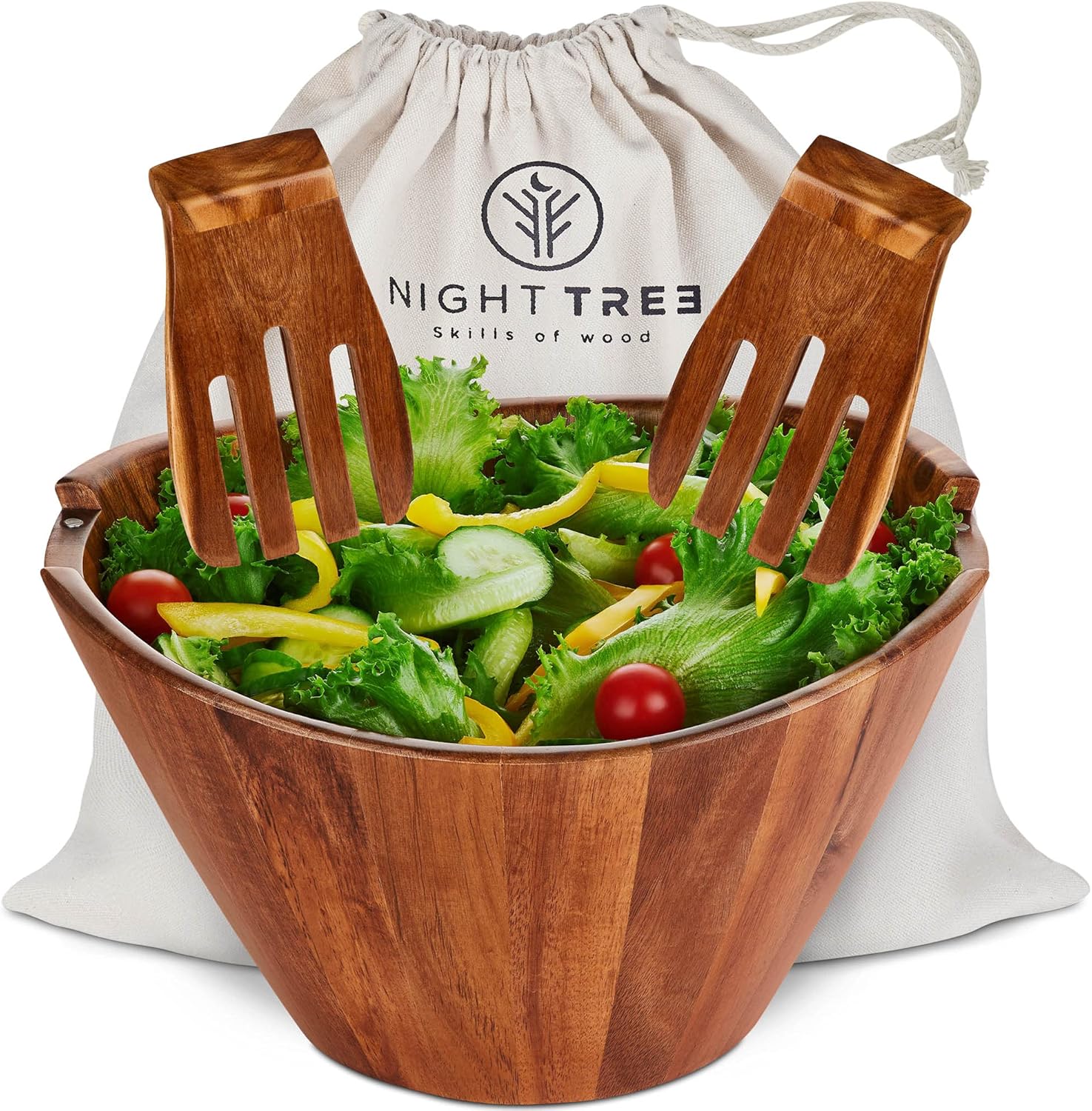
Most sub-$30 import salad sets are turned from rubber wood or low-grade mango wood, finished with a glossy food-unsafe lacquer, and ship with stainless servers that have no magnetic feature at all — the 'magnetic' label in cheap listings often refers to a weak ferrite magnet glued into a resin cap that separates within six months. The Night Tree Acacia Wood Salad Bowl Set uses solid kiln-dried acacia with hand-rubbed mineral oil finish, food-safe throughout, and the servers use embedded N35 neodymium magnets inside a seamless wood casing — no glue, no cap to separate. Where generic sets spec bowl walls at 5–6 mm, Night Tree runs 10–12 mm walls that resist warping even in humid climates. It's also worth noting that acacia sourced from FSC-certified plantations (as Night Tree uses) has a meaningfully smaller environmental footprint than rubber wood, which often comes from end-of-life plantations with inconsistent sourcing standards.
Care, Oiling, and Making Your Bowl Last a Decade
A wooden salad bowl is not dishwasher-safe — full stop, regardless of what any listing says. Heat and prolonged water exposure destroy the cellular structure of even the best acacia, causing cracking within 3–5 cycles. Hand-wash with warm water and mild soap, dry immediately, and oil every 4–6 weeks with food-grade mineral oil or a beeswax-mineral oil blend (apply generously, let it sit 20 minutes, wipe excess). Never soak, never leave wet, never store in direct sunlight. Follow that routine and a quality acacia bowl in 2026 can reasonably last 10–15 years — making the $55–$75 price point a far better value than a $25 bowl you replace every two years. The magnetic servers need no special care beyond wiping dry; neodymium magnets at N35 grade hold their charge indefinitely under normal kitchen use.
The Organized Kitchen Tie-In: Why Your Bowl Set Deserves a Proper Home
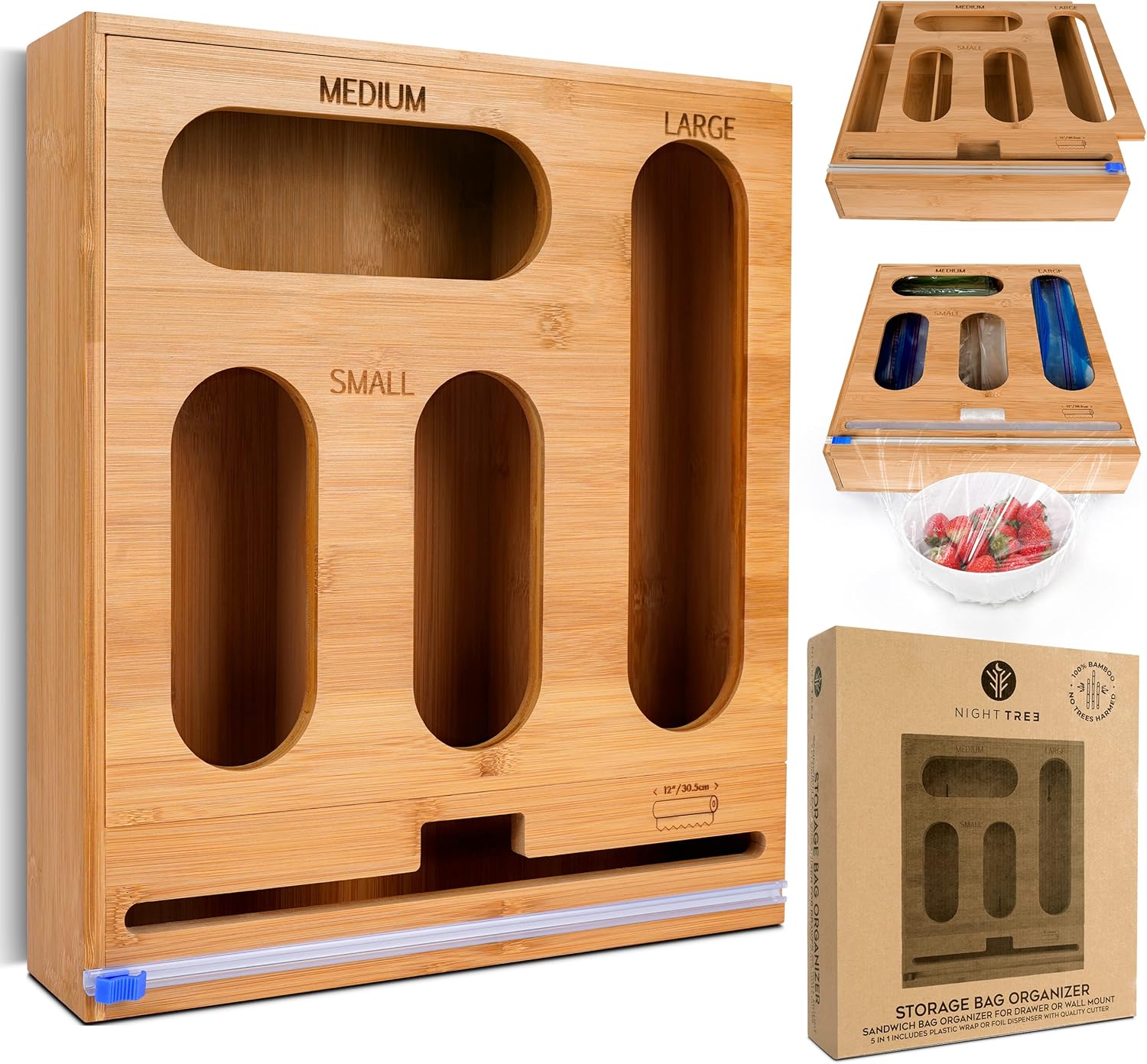
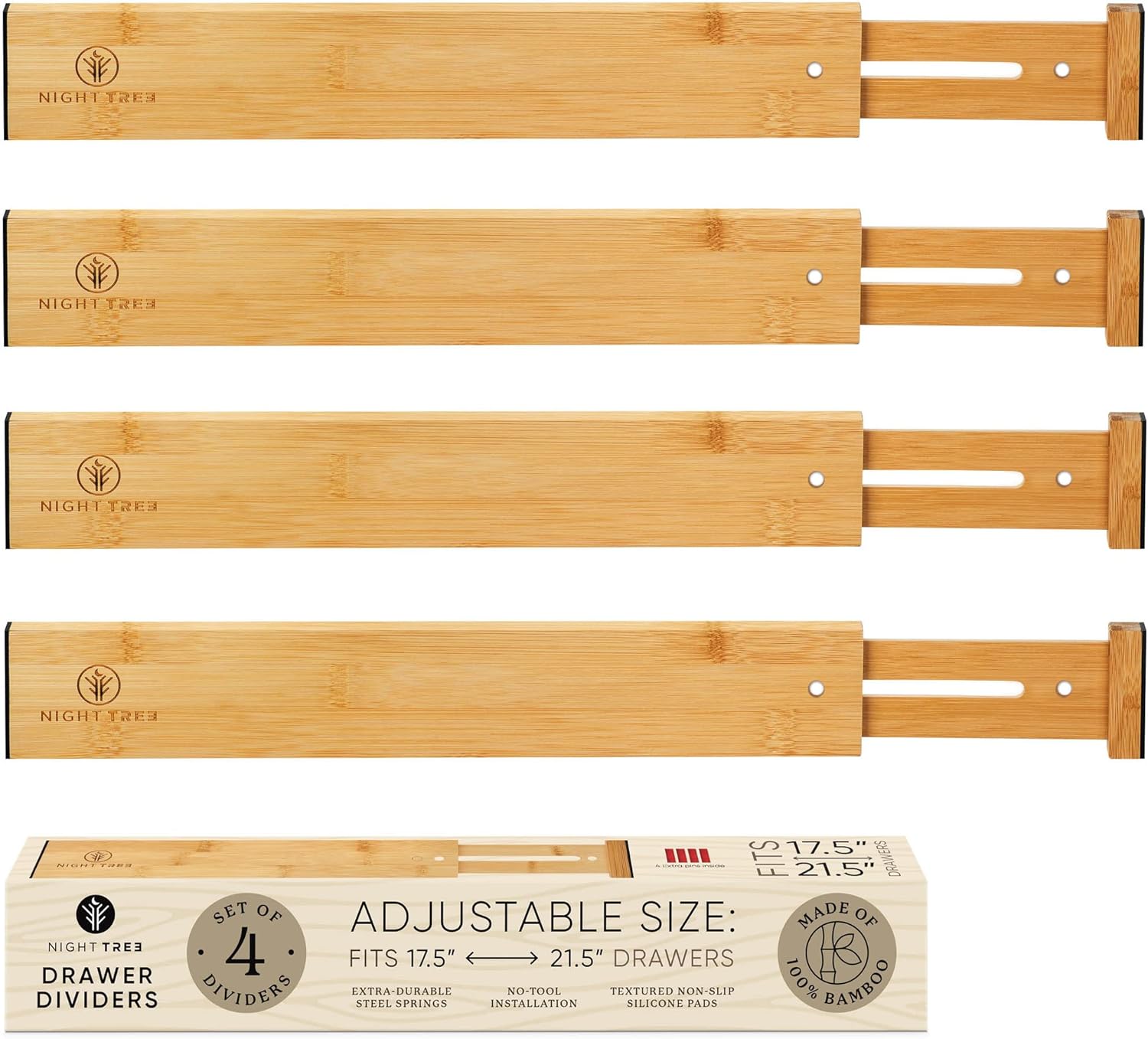
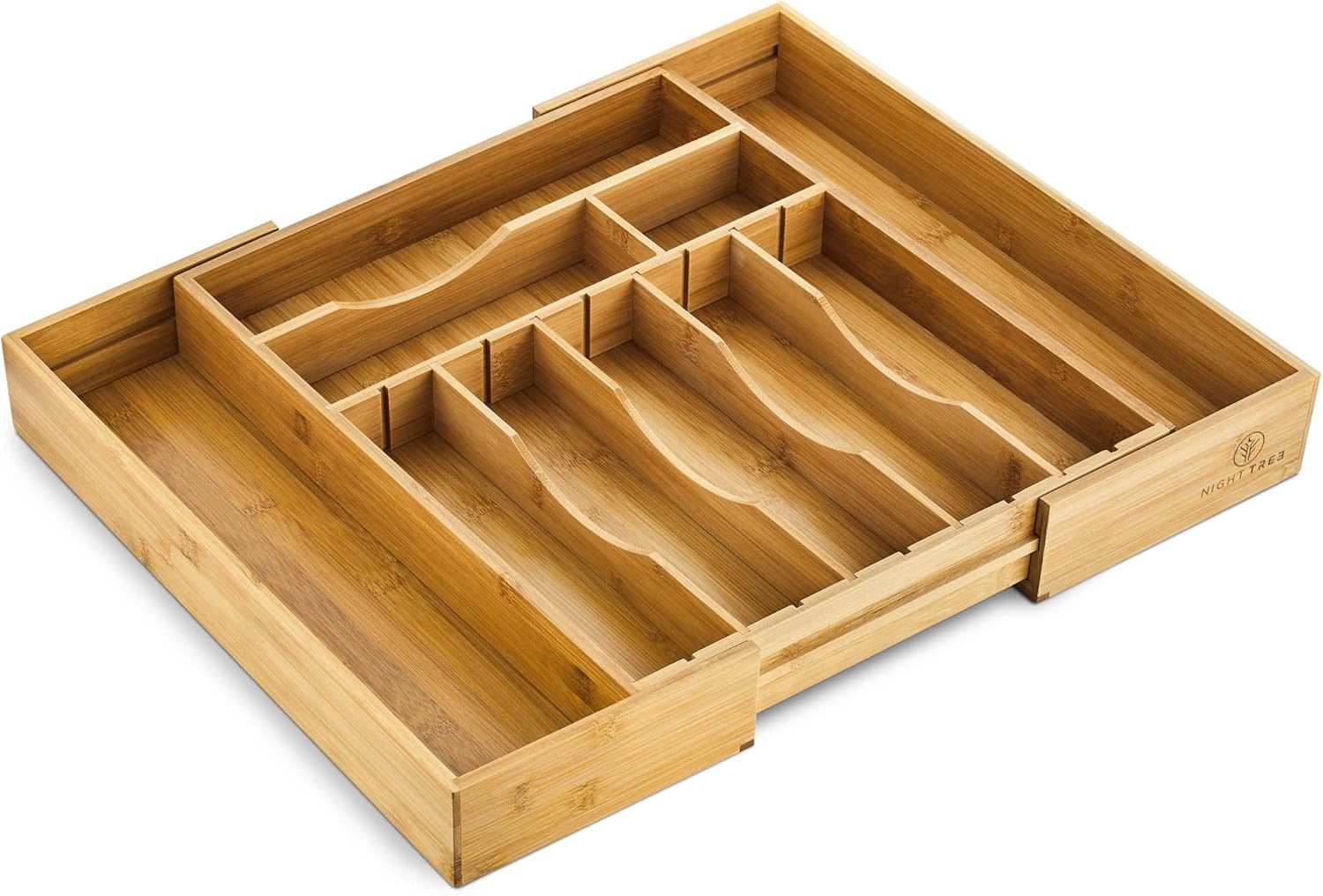
Owning a beautiful acacia salad bowl set and then stashing it in a chaotic drawer defeats the point entirely — the bowl should be on display or in a dedicated cabinet spot, and the servers need a place to live between uses. If you're building a tidy, sustainable kitchen in 2026, the logic extends to every drawer: the Night Tree Bamboo Expandable Drawer Organizer gives you adjustable compartments that accommodate the servers flat, while the Night Tree Bamboo Drawer Dividers (Set of 4) section off a full drawer for bulkier items like the individual bowls. Keeping eco-friendly products grouped together also reinforces the habit — when everything has a place, you actually maintain the system. For bags and wraps that share cabinet space with your bowl storage, the Night Tree Bamboo Ziplock Bag Storage Organizer keeps that zone uncluttered too.
Frequently Asked Questions
Are wooden salad bowls with magnetic servers dishwasher safe?
No. Dishwasher heat and prolonged moisture warp and crack wooden bowls — even acacia — within a few cycles. Hand-wash with warm soapy water, dry immediately, and oil every 4–6 weeks. The magnetic servers can be wiped clean; N35 neodymium magnets hold their charge indefinitely with normal kitchen care.
What's the best wood for a salad bowl in 2026 — acacia, bamboo, or walnut?
Acacia is the best all-around choice in 2026: Janka hardness of ~1,700 lbf, low moisture absorption, and a beautiful grain that improves with age. Walnut is gorgeous but expensive and softer. Bamboo is durable for storage products but can split with repeated wet-dry cycles, making it less ideal as a salad bowl.
How strong are the magnets in magnetic salad servers, and will they stay strong over time?
Quality 2026 sets use N35-grade neodymium rare-earth magnets embedded inside the server tips — no glue cap, no exposed hardware. N35 magnets retain over 99% of their magnetic strength for 10+ years under normal use. Avoid cheap sets that use ferrite magnets in a glued resin cap; those separate within months.
Ready to upgrade?
Ready to upgrade your table and your kitchen routine? The Night Tree Acacia Wood Salad Bowl Set delivers thick-walled, FSC-certified acacia, embedded neodymium magnetic servers, and a mineral oil finish built to last a decade — grab yours at nightree.com and toss your last chaotic salad tonight.