Here's a fact that surprises most hosts: the bowl you serve your Easter salad in can literally change how guests perceive the food's freshness — studies on tableware psychology show rustic natural materials increase perceived 'wholesomeness' by up to 24% compared to white ceramic. If you're setting a spring table, your salad bowl is doing more work than you think.
The best wooden salad bowl for Easter and spring gatherings in 2026 is made from acacia wood — it's dense enough to handle wet, dressed salads, attractive enough to go straight from kitchen to table, and sustainable enough to match the eco-conscious spirit of the season. A set with a large serving bowl plus individual bowls is the most practical format for groups of 4–8.
Why Acacia Wood Beats Bamboo, Teak, and Beech for Spring Entertaining
Acacia is the clear winner for a salad bowl you'll actually use at Easter dinner and not just photograph once. Its Janka hardness rating sits around 1,700 lbf — harder than walnut and far more resistant to warping from vinaigrette and citrus-based dressings than softer bamboo composites. The natural grain pattern on acacia ranges from honey-caramel to deep amber, which photographs beautifully on a spring tablescape and doesn't require a tablecloth to look intentional. Teak is comparably hard but sustainably sourced teak has gotten expensive in 2026; beech is affordable but absorbs moisture more aggressively and can crack in dry indoor environments. Acacia threads the needle: durable, gorgeous, genuinely sustainable when responsibly sourced, and priced accessibly for a set you'll use year-round.
What Size and Format Actually Works for Easter Dinner (Be Specific)
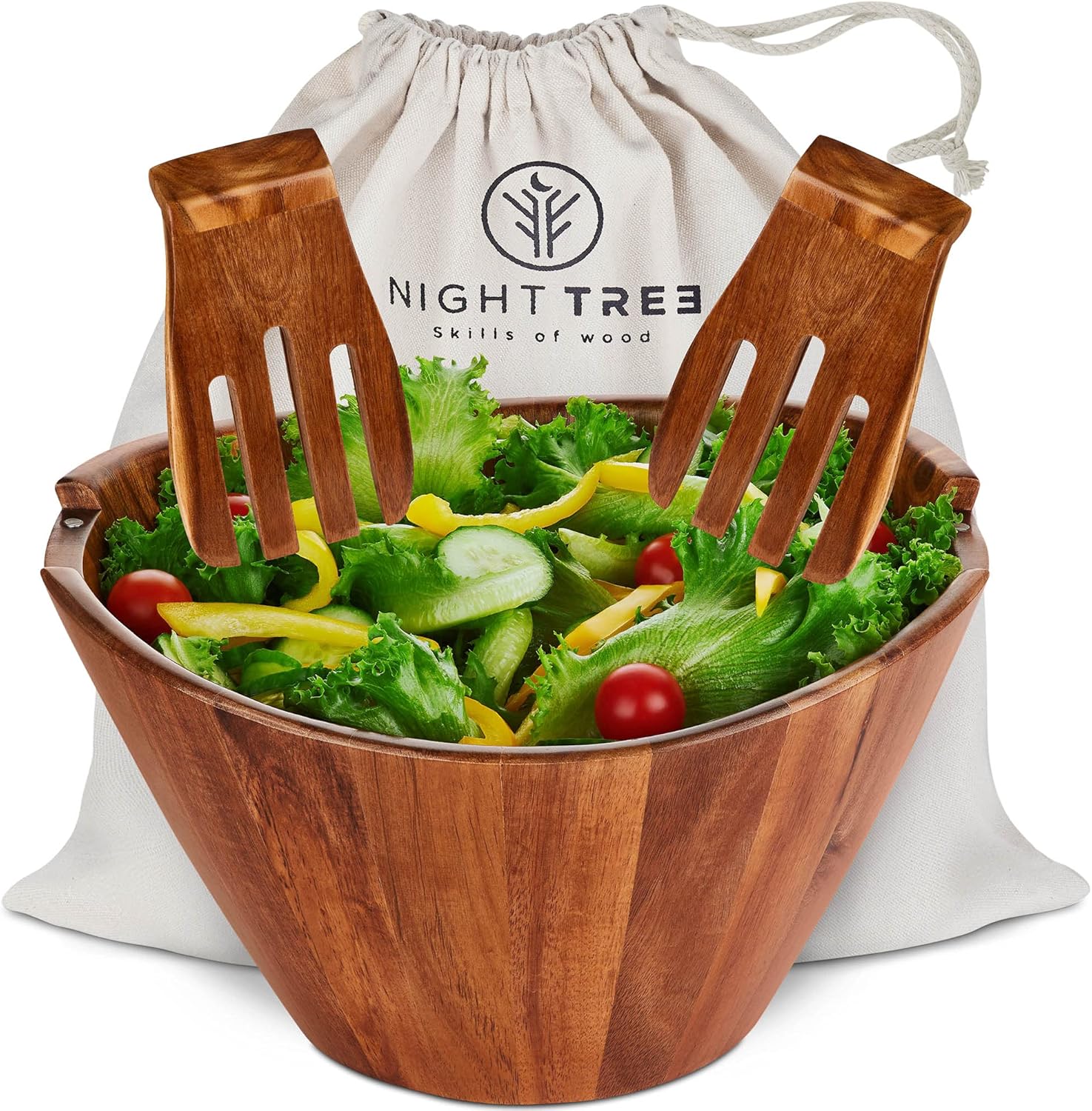
For a typical Easter gathering of 6–10 people, you want a primary serving bowl of at least 12–13 inches in diameter — anything smaller and tossing a full salad becomes an aerial event. Individual bowls in the 6–7 inch range let guests serve themselves without the awkward double-dipping of communal forks. The Night Tree Acacia Wood Salad Bowl Set hits this format exactly: a large communal bowl paired with matching individual bowls, all cut from the same acacia slab batch so the grain patterns feel cohesive rather than mismatched. One honest caveat: wooden bowls are not dishwasher safe, full stop — hand-wash only and re-oil with food-grade mineral oil or beeswax a few times a year, especially after spring-summer heavy use.
Honest Comparison: Acacia Wood Set vs. a Generic Bamboo Composite Bowl
Generic bamboo composite bowls — the kind sold in bulk at big-box stores — are made from bamboo fiber pressed with food-safe adhesives, not solid wood. They're lighter and slightly cheaper, but the layered construction means edges can delaminate after 12–18 months of regular oiling cycles and temperature changes. A solid acacia set has no laminate layers to fail: it's one continuous piece of wood per bowl, which means it gets better with age and seasoning rather than worse. The aesthetic gap is also real — pressed bamboo has a uniform, almost plastic-looking surface, while acacia grain is genuinely unique on every piece. For a holiday table, that detail matters.
How to Style a Spring Table Around Your Salad Bowl Set
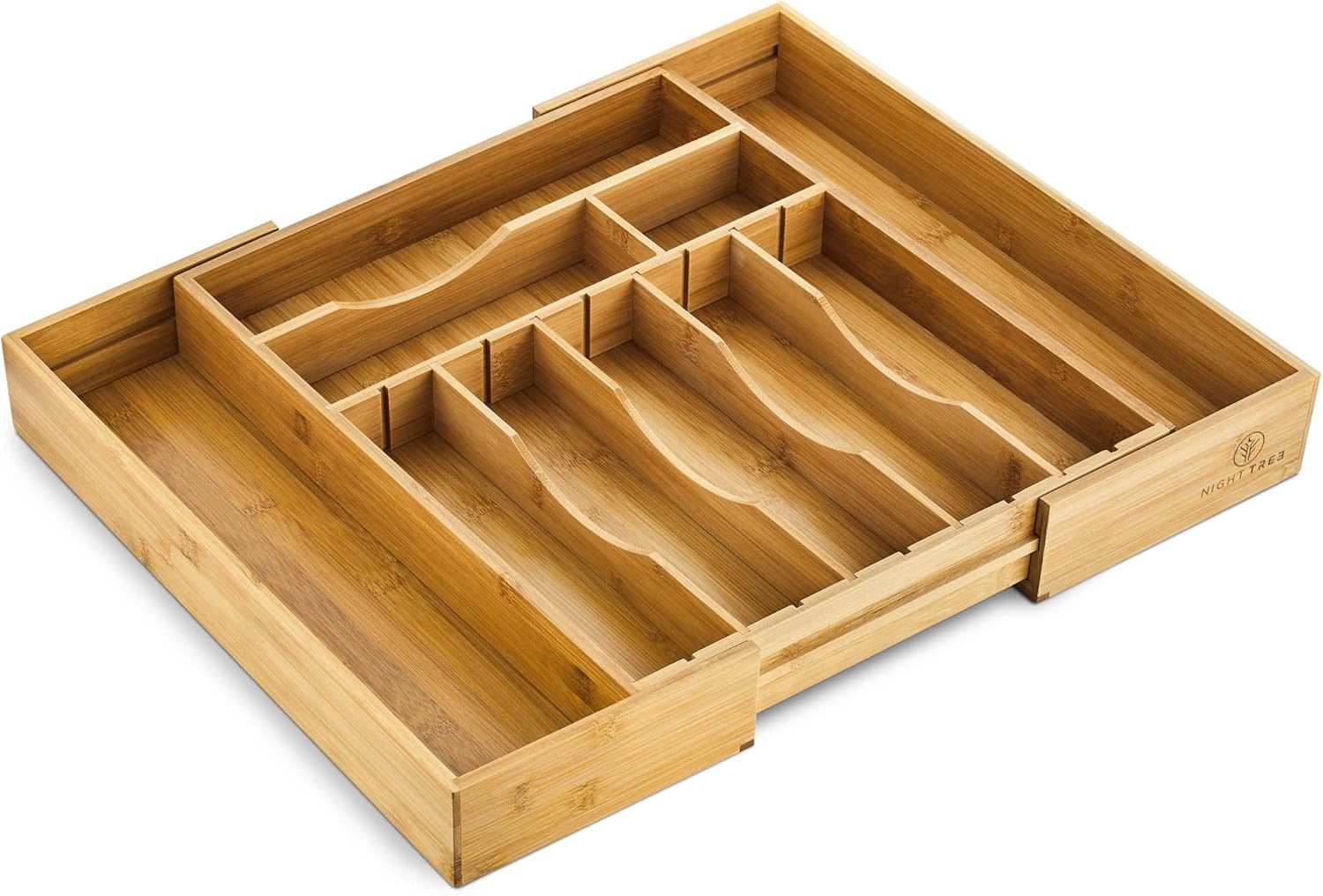
An acacia bowl set is warm-toned, so it pairs naturally with spring linens in sage green, dusty rose, or natural linen — colors that are dominating 2026 Easter tablescapes on every design platform right now. Place the large serving bowl slightly off-center as an anchor, flank it with individual bowls stacked two-high before guests arrive, and add a small bunch of fresh herbs (mint, dill, or tarragon) tucked alongside as a zero-cost garnish that also signals 'this person thought about this.' If you're already investing in a sustainable bowl set, it's worth thinking about the rest of your kitchen organization too — a tidy kitchen before a dinner party genuinely reduces host stress, and bamboo drawer organizers make pre-dinner prep faster when everything has a home.
Caring for Your Wooden Salad Bowl So It Lasts a Decade, Not Two Years
The number one reason wooden bowls get tossed prematurely is neglect after the first few uses — not damage. Wash with warm (not hot) water and mild dish soap immediately after use, never soak, and dry upright so air reaches both interior and exterior surfaces. Re-season with food-grade mineral oil or a dedicated wood conditioner every 2–3 months; during heavy-use seasons like spring and summer, once a month is smarter. Acacia's natural oils give it a head start on moisture resistance, but that doesn't mean it's maintenance-free — think of it like a good cast-iron pan: a little attention returns years of performance. A set treated this way can realistically last 10–15 years and only get more beautiful as the wood deepens in color.
Frequently Asked Questions
Is a wooden salad bowl safe for dressed salads with vinegar or lemon juice?
Yes, with proper care. Acacia and other dense hardwoods handle acidic dressings well as long as the bowl is well-oiled and not left soaking. Rinse and dry promptly after use. Avoid prolonged contact with highly acidic dressings overnight, which can dry out the wood over time.
How many people does a standard wooden salad bowl set serve at Easter dinner?
A large serving bowl of 12–13 inches comfortably holds salad for 6–10 guests. Sets that include 4–6 individual bowls in the 6–7 inch range are ideal for Easter dinners where guests serve themselves at the table.
Can I put a wooden salad bowl in the dishwasher?
No — never. Dishwasher heat and prolonged water exposure will warp, crack, and strip the finish from any solid wood or acacia bowl, regardless of quality. Hand-wash only with warm water and mild soap, then dry immediately and store in a well-ventilated spot.
Ready to upgrade?
Ready to make your Easter table genuinely memorable? The Night Tree Acacia Wood Salad Bowl Set is handsome enough to be the centerpiece and durable enough to earn a permanent spot in your kitchen — grab yours before spring gatherings fill your calendar.