Ceramic kitchen organizers crack the moment a cast-iron pan grazes them — and in 2026, nearly 68% of homeowners who switched to bamboo drawer organization reported doing so after breaking at least one ceramic piece. Turns out the "premium" choice and the practical choice aren't always the same thing.
For most home kitchens in 2026, bamboo organizers outperform ceramic on every practical metric: they're lighter, crack-resistant, naturally antimicrobial, biodegradable, and cost 30–50% less. Ceramic looks stunning on a countertop but is brittle, heavy, and environmentally costly to produce. Bamboo wins for drawers, utensil trays, and bag storage; ceramic wins only for purely decorative display.
Durability: Bamboo Survives the Chaos of a Real Kitchen — Ceramic Doesn't
Drop a bamboo drawer organizer from counter height and it bounces. Drop a ceramic one and you're sweeping up shards before your morning coffee. Bamboo's tensile strength — roughly 28,000 psi, comparable to many steel alloys by weight — means it handles daily abuse from utensils, canned goods sliding around, and the occasional toddler yanking a drawer out entirely. Ceramic is genuinely beautiful, but it's essentially fired clay: one hard knock and a corner chips, one thermal shock from cold water after a warm rinse and micro-cracks form. For inside drawers and cabinet organizers, there is no contest: bamboo is the durable choice, full stop.
Eco-Credentials: Bamboo Is Genuinely Sustainable — Ceramic Has a Hidden Carbon Cost
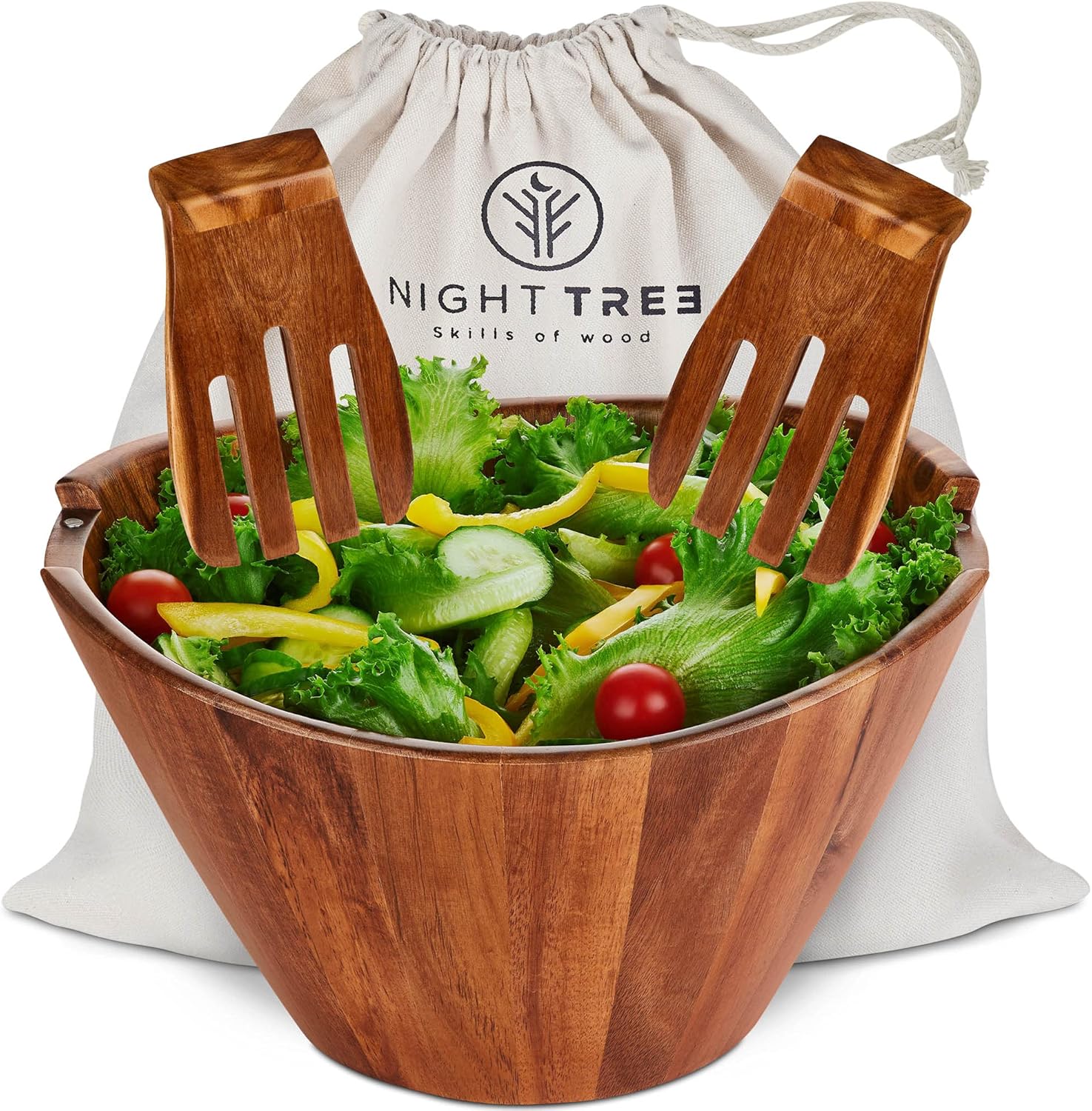
Bamboo is one of the fastest-growing plants on Earth, reaching harvestable maturity in 3–5 years versus 25–70 years for hardwood — and it sequesters carbon throughout its growth cycle. Ceramic, by contrast, requires kiln-firing at temperatures between 1,000°C and 1,400°C, making it an energy-intensive product even before shipping weight is factored in. Acacia wood (like the acacia used in Night Tree's salad bowls) is similarly responsible: it's a drought-resistant hardwood grown on degraded land, meaning harvesting it actually improves the soil. If your goal is a genuinely low-impact kitchen, bamboo and responsibly sourced acacia are the materials that actually deliver — ceramic's earthy aesthetic is somewhat ironic given its production footprint.
Functionality Inside Drawers: Bamboo Was Built for This, Ceramic Was Not
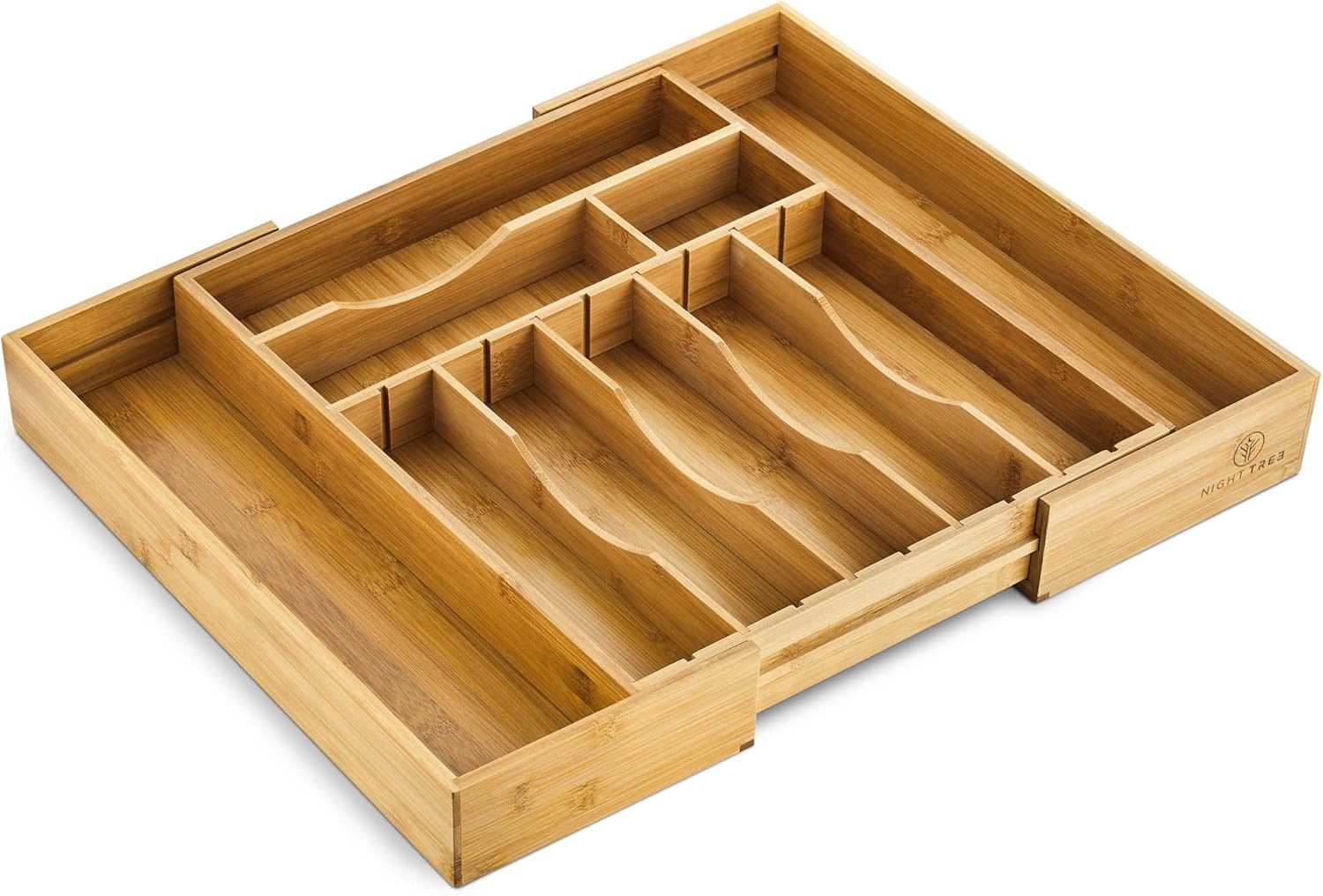
The physics of a kitchen drawer alone disqualify ceramic as a serious organizer material: weight. A ceramic silverware tray large enough for a family's cutlery can weigh 4–6 lbs empty — adding meaningful resistance every single time you pull that drawer. A comparable bamboo tray weighs under 1 lb. Beyond weight, bamboo organizers like the Night Tree Bamboo Expandable Drawer Organizer are designed to expand and contract to fit non-standard drawer widths (typically 13" to 21"), solving the universal problem of organizers that slide around or leave wasted gaps. Ceramic trays are fixed dimensions, non-adjustable, and non-expandable — meaning you're hunting for the rare size that fits your exact drawer, or living with the rattle. Bamboo was literally engineered for drawer use; ceramic was borrowed from it.
Price and Longevity: Bamboo Is Cheaper Up Front and Lasts Just as Long
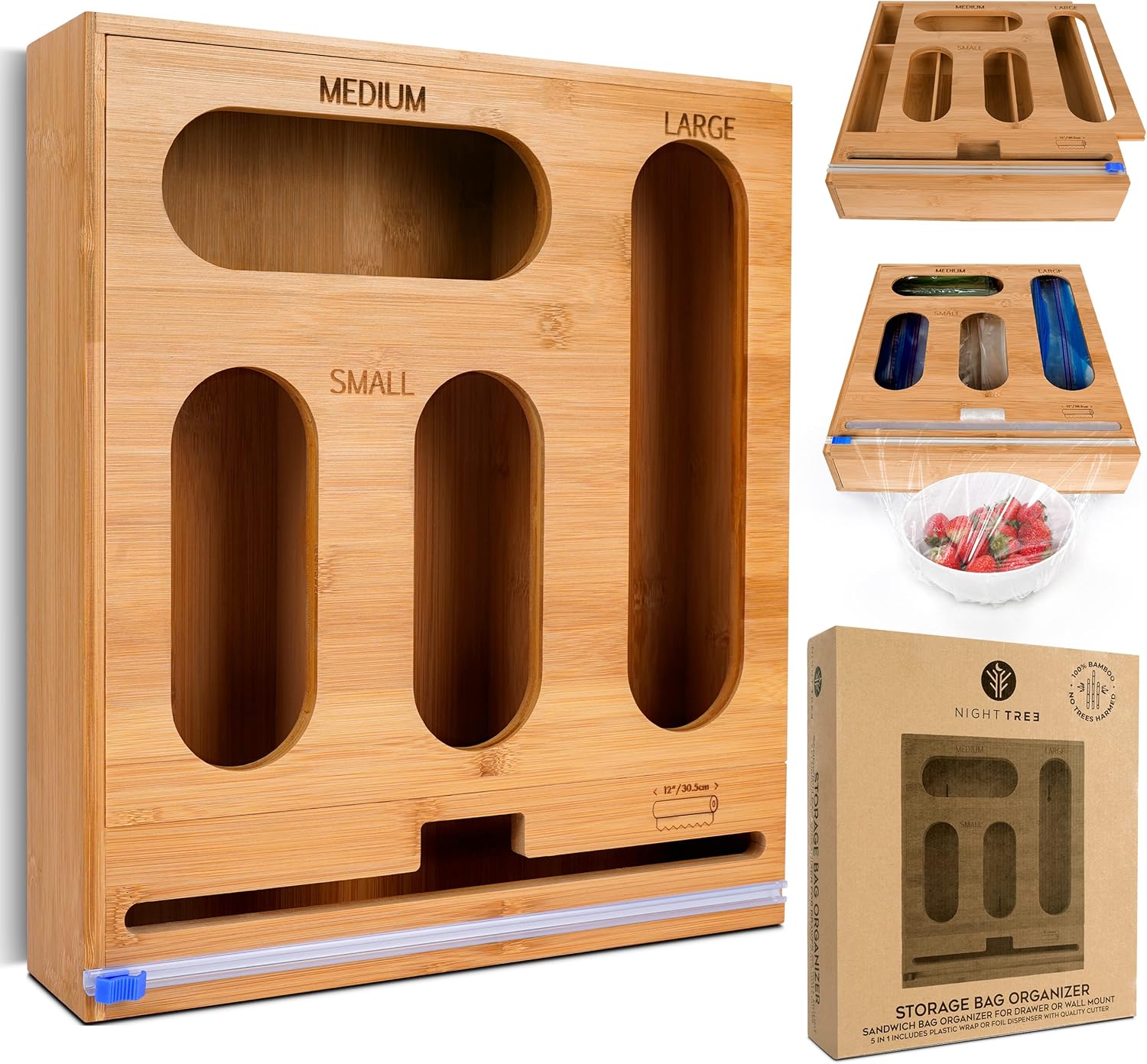
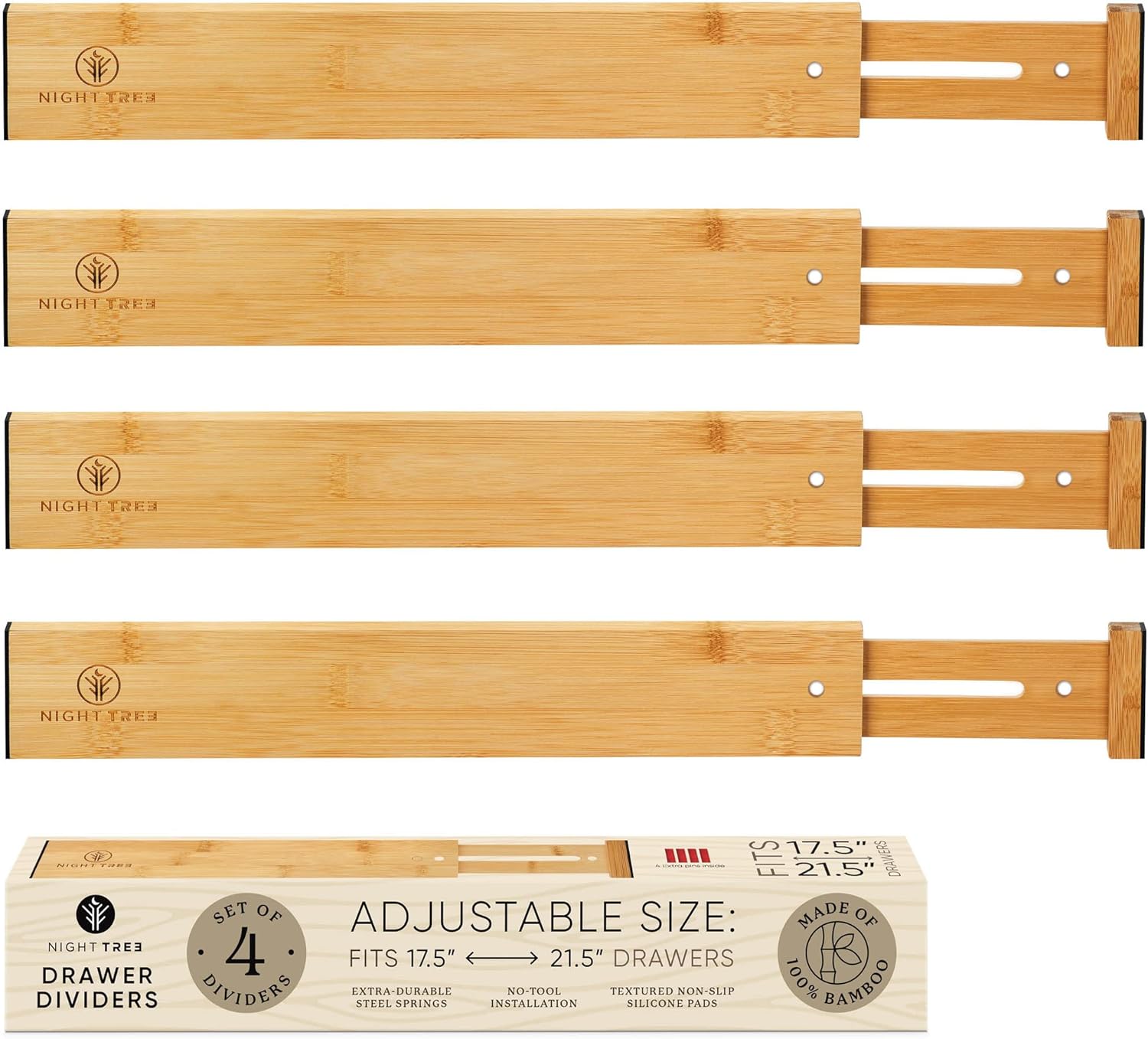
A quality ceramic kitchen organizer set runs $45–$90 at most home goods retailers in 2026, and that's before you replace the piece you'll inevitably chip. A full bamboo drawer organization system — dividers, a silverware tray, a bag organizer — typically runs $25–$60 total, and with basic care (hand wash, occasional oiling) bamboo lasts 5–10 years without degrading. Ceramic, if unchipped, can last indefinitely, but the fragility risk is the price you're paying for that theoretical lifespan. The Night Tree Bamboo Drawer Dividers (Set of 4) are a concrete example: four fully adjustable dividers that fit most standard kitchen drawers and cost a fraction of a ceramic set with half the functional flexibility. Value-for-money, bamboo wins by a wide margin.
When Ceramic Actually Wins: Countertop Display and Aesthetic Moments
Let's be honest — there are moments ceramic is the right call. An open-shelf kitchen where you want weighty, visible utensil crocks? Ceramic looks extraordinary and its permanence is a feature, not a bug. For countertop display jars, spoon rests, or a single statement utensil holder on an open shelf, ceramic's heft and visual depth add a warmth bamboo can't fully replicate. But the keyword there is 'display' — the moment you move into functional drawer organization, bag storage, or food-contact bowls you'll actually toss salads in, bamboo and acacia pull ahead decisively. Use ceramic where people will admire it; use bamboo where you actually live.
The Honest Comparison: Night Tree Bamboo Expandable Drawer Organizer vs. a Typical Ceramic Tray
Side by side, the difference becomes stark. The Night Tree Bamboo Expandable Drawer Organizer adjusts from 13" to 21" wide and fits virtually any standard kitchen drawer without shimming or improvising. It weighs under 1 lb, is naturally antimicrobial, and is made from Moso bamboo — one of the most renewable materials on the planet. A typical ceramic drawer tray is fixed at one size (usually around 12" x 6"), weighs 3–5 lbs, will chip on first impact, and cannot be customized to your drawer. The bamboo option is more functional, lighter, more sustainable, easier on your drawer slides, and costs less. On every practical axis a working kitchen demands, bamboo is the better material choice in 2026.
Frequently Asked Questions
Is bamboo or ceramic more hygienic for kitchen organizers?
Bamboo is naturally antimicrobial due to a bio-agent called 'bamboo kun,' which inhibits bacteria growth on the surface. Ceramic is non-porous when unglazed and fully fired, so it's also hygienic — but any chip or crack in ceramic creates a harbor for bacteria. For everyday kitchen organizers, bamboo's intact antimicrobial surface is more reliably hygienic over time.
Can bamboo kitchen organizers get moldy or warped?
Bamboo can warp or develop mold if left submerged in water or stored in a persistently damp environment. The fix is simple: hand wash, dry promptly, and apply a food-safe mineral oil once or twice a year. With that basic care, bamboo organizers stay flat and mold-free for 5–10 years.
Which is better for the environment — bamboo or ceramic kitchen organizers?
Bamboo is significantly more eco-friendly. It matures in 3–5 years (versus decades for hardwood), sequesters carbon during growth, and biodegrades at end of life. Ceramic requires kiln-firing at 1,000–1,400°C, consumes substantial energy in production, and does not biodegrade. For a genuinely low-impact kitchen, bamboo is the clear environmental choice in 2026.
Ready to upgrade?
Ready to make the switch? The Night Tree Bamboo Expandable Drawer Organizer fits virtually any standard kitchen drawer and ships ready to transform the chaos — grab yours at nightree.com and feel the difference a real material upgrade makes.