Americans waste roughly 30–40% of their food supply, and wilted, forgotten salad greens are one of the biggest culprits — not because people don't want to eat healthily, but because nothing is set up to make it easy. A dedicated salad station fixes that in an afternoon.
A home salad station is a designated zone — typically one refrigerator drawer, one counter spot, and one organized cabinet or drawer — stocked with prepped greens, toppings, dressings, and the right serving tools. Set up correctly, it cuts weeknight dinner prep to under five minutes and dramatically reduces produce waste.
Step 1: Choose Your Salad Station Zones (Fridge, Counter, and Drawer)
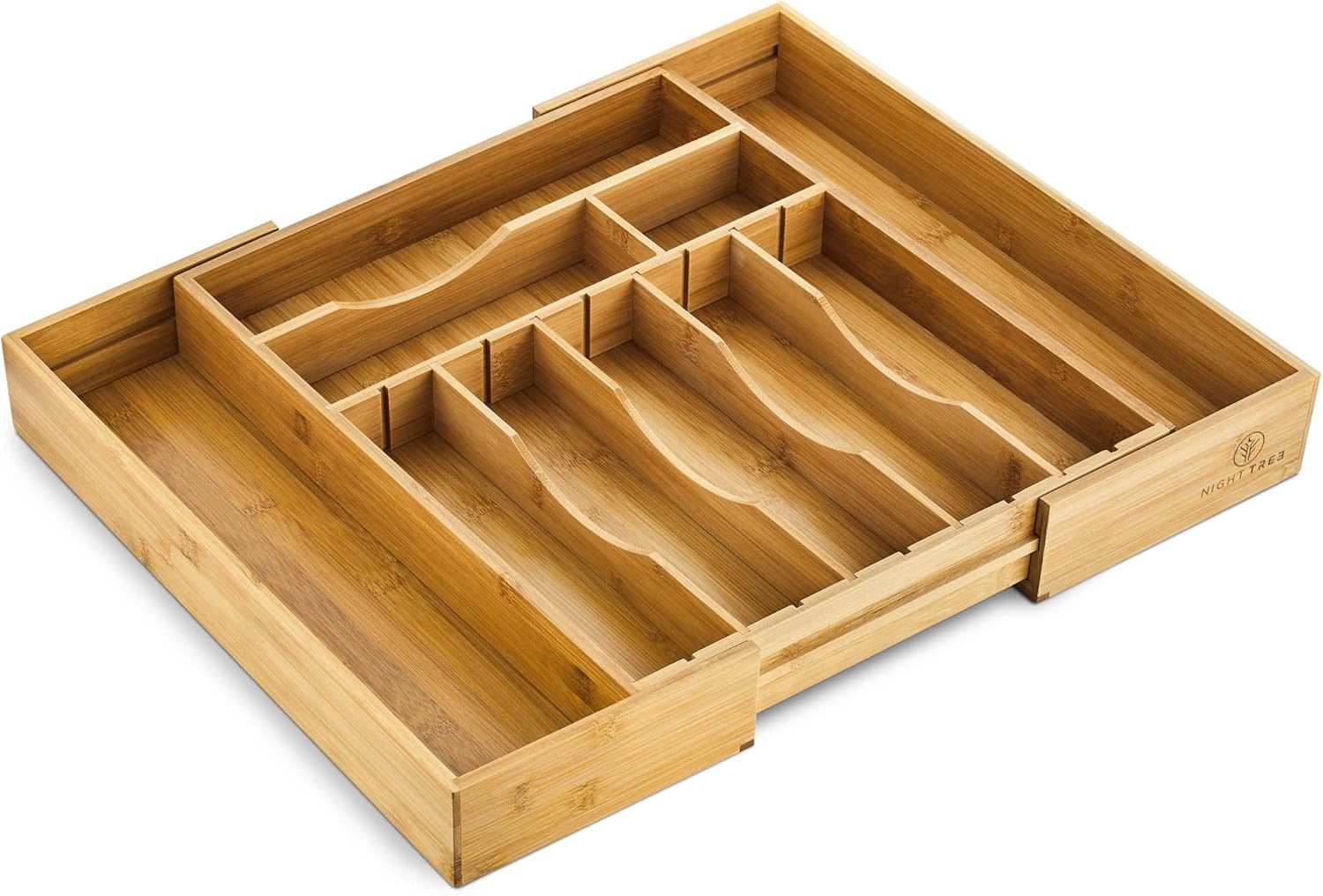
A great salad station has three physical zones working together: a dedicated fridge drawer for prepped greens and toppings, a clear counter spot for assembly, and an organized kitchen drawer for tools and linens. Don't try to collapse all three into one space — you'll end up with a jumbled mess you stop using by week two. The fridge drawer should hold airtight containers of washed greens (romaine, arugula, kale — whatever you rotate), chopped vegetables portioned into small jars, and two or three house-made dressings in squeeze bottles. Keep the counter zone within arm's reach of the fridge, ideally 18–24 inches of unobstructed space. For the tool drawer, a bamboo expandable drawer organizer is the honest difference between a drawer you open confidently and one you paw through in frustration — the Night Tree Bamboo Expandable Drawer Organizer adjusts to fit virtually any drawer width and corrals salad servers, tongs, peelers, and a zester without wasting an inch.
Step 2: Stock the Fridge Drawer Like a Prep Cook
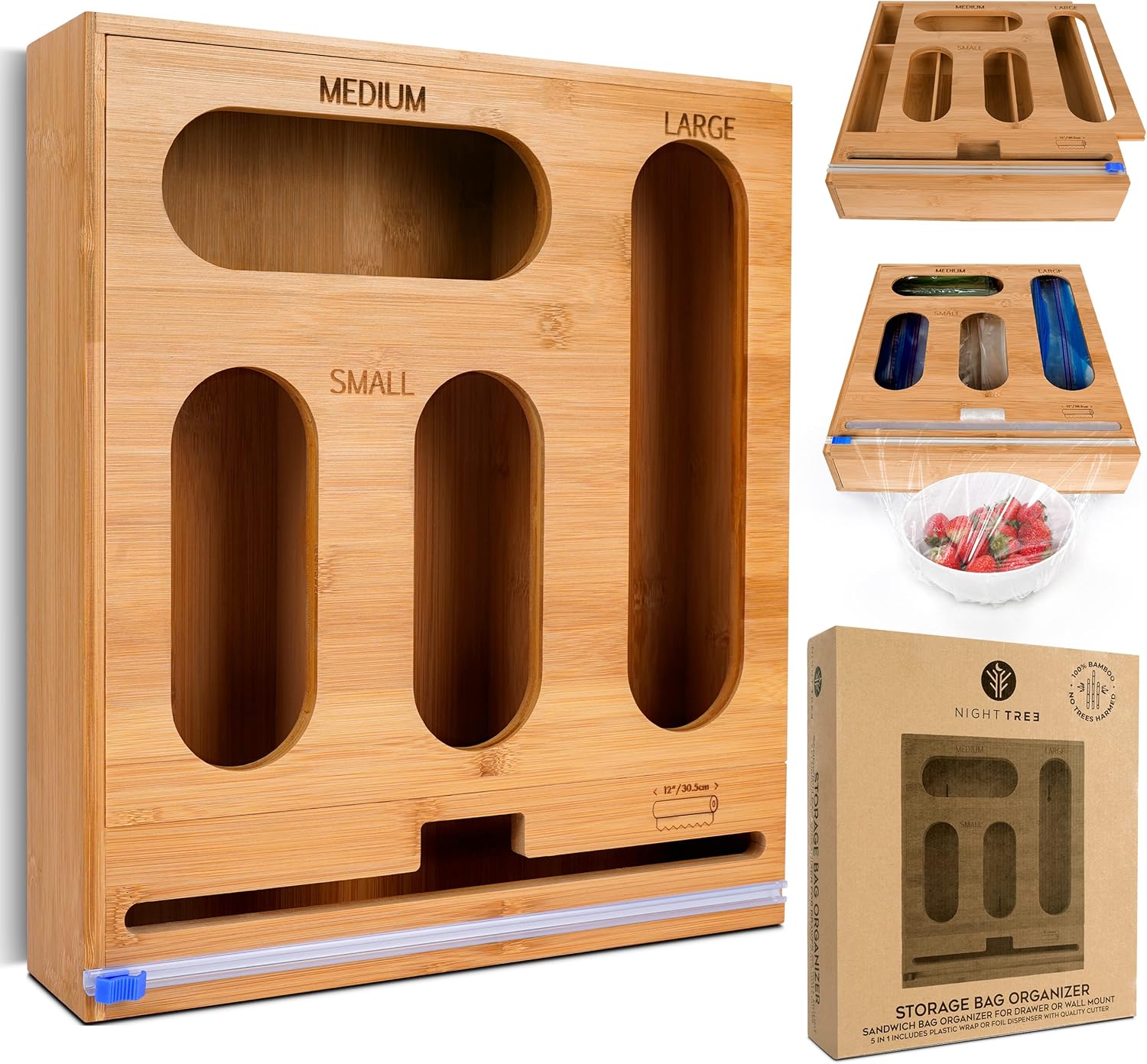
Professional line cooks call their pre-portioned ingredient containers 'mise en place,' and the principle translates directly to a home salad station. Every Sunday (or whatever your reset day is), wash and spin-dry your greens, chop three to five vegetables, and portion your proteins — hard-boiled eggs, shredded rotisserie chicken, canned chickpeas drained and dried. Use wide-mouth mason jars for diced cucumbers, cherry tomatoes, and shredded carrots; they stack cleanly and seal well. Prepped greens stored correctly in an airtight container last four to six days in the fridge — that's five weeknight salads from one prep session. The single biggest fridge-organization mistake is storing salad bags and plastic food-storage bags in the same chaotic drawer; use a Night Tree Bamboo Ziplock Bag Storage Organizer mounted inside a cabinet door or standing in a drawer to keep gallon, quart, and sandwich bags sorted and instantly accessible when you're portioning ingredients.
Step 3: Pick the Right Salad Bowl — This Decision Actually Matters
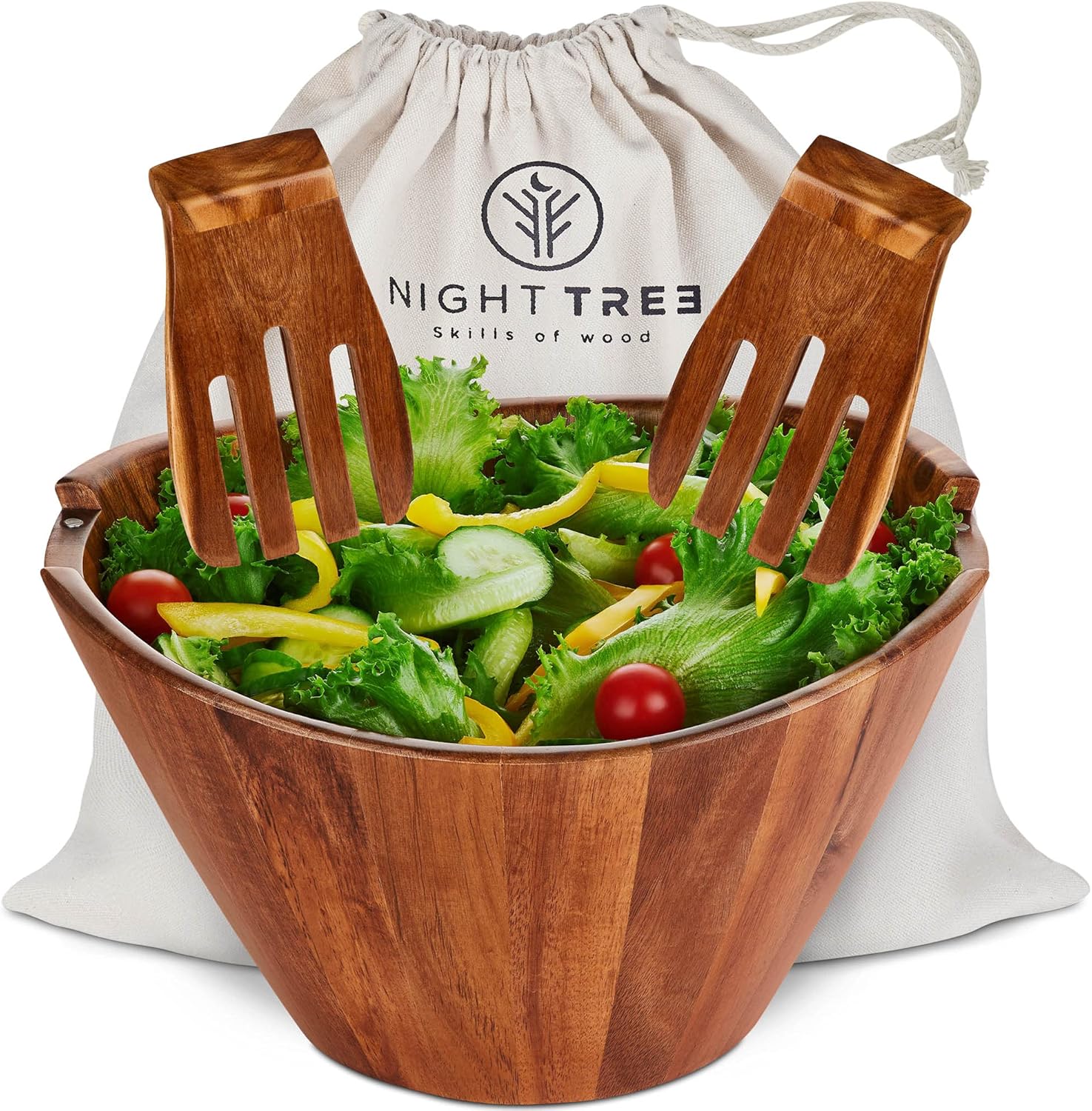
A salad bowl is not a neutral choice: material affects taste, toss-ability, and how long your station feels enjoyable to use. Glass is heavy and cold; melamine is plastic; plain pine bowls crack and warp. Acacia wood is the practical sweet spot — it's naturally dense, has tight grain that resists moisture absorption, and develops a warm patina with use rather than looking worse over time. The Night Tree Acacia Wood Salad Bowl Set includes a large mixing bowl plus matching servers, which means you're tossing a salad for four in a single vessel instead of cluttering the counter with a mixing bowl, a serving bowl, and a pair of mismatched spoons. For a dedicated salad station, size matters: a bowl under 10 inches forces you to toss in batches; aim for 12 inches or larger as your main mixing vessel. Hand-wash acacia wood, rub it with food-grade mineral oil every four to six weeks, and it will genuinely last a decade.
Honest Comparison: Acacia Wood vs. Generic Plastic Salad Bowls
Plastic salad bowls cost less upfront — a basic set runs $8–$15 — but they scratch within months, harbor bacteria in those scratches, and look cheap on the table. Acacia wood costs more at the start but pays back in durability, aesthetics, and the simple fact that you actually want to use it. This matters more than it sounds: a salad station you enjoy using is one you'll maintain; one that feels like a chore gets abandoned. Beyond aesthetics, acacia's weight gives it stability when tossing a large salad aggressively — lightweight plastic bowls skid across the counter. The Night Tree Acacia Wood Salad Bowl Set is also genuinely sustainable: acacia is a fast-growing hardwood that requires no replanting program because it regenerates naturally, making it one of the more honest 'eco-friendly' material claims in the kitchen space.
Step 4: Organize Your Salad Tools So You Actually Use Them
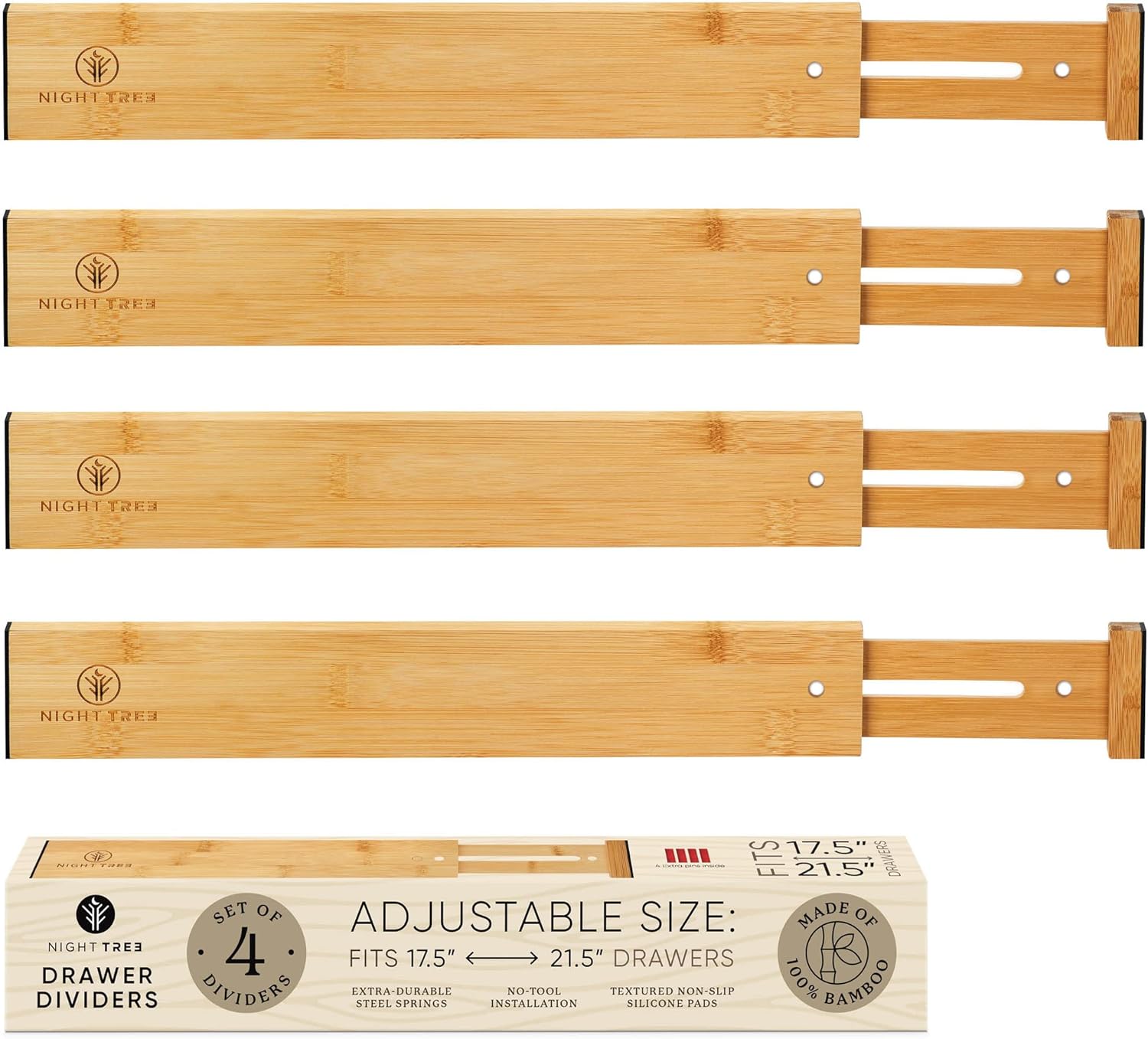
The tools a salad station needs are modest but specific: a salad spinner (non-negotiable), tongs or wooden servers, a sharp paring knife, a vegetable peeler, a microplane for zesting citrus into dressings, and a small whisk for vinaigrettes. The problem isn't owning these tools — most home cooks already do — it's that they're scattered across three drawers and a utensil crock. Consolidate everything into one drawer using the Night Tree Bamboo Drawer Dividers (Set of 4), which create four dedicated compartments you can customize by tool category: cutting tools, serving tools, measuring tools, and extras like a citrus juicer or mandoline blade. Bamboo dividers are preferable to plastic drawer inserts because they don't slide around and they don't off-gas in a warm kitchen. Label each section with a small piece of masking tape for the first two weeks until the layout becomes muscle memory — it sounds fussy but takes 30 seconds and genuinely accelerates habit formation.
Step 5: Build a Dressing Station Within Your Station
House-made dressings are the single biggest upgrade a home salad station offers over just 'eating more salad.' A basic ratio — three parts oil, one part acid (vinegar or citrus), half a teaspoon of Dijon, salt, and pepper — takes 90 seconds to shake together and tastes better than anything in a bottle. Make two or three variations on prep day, store them in labeled squeeze bottles in the fridge door, and your station is genuinely ready to use in under five minutes any night of the week. Good squeeze bottles hold 8–12 oz and have a wide enough opening to pour without dripping; keep them in the fridge door alongside a small jar of flaky sea salt and a pepper grinder so seasoning happens at the bowl, not the stove. One practical note: dressings with fresh garlic or shallots will last three to four days; purely oil-and-vinegar vinaigrettes last up to two weeks refrigerated.
Frequently Asked Questions
What is the best bowl size for a home salad station?
A 12-inch or larger bowl is ideal for a home salad station — it gives you room to toss a four-serving salad without ingredients flying over the rim. Acacia wood bowls in the 12–14-inch range are the most practical choice because they're lightweight enough to handle easily but heavy enough to stay stable on the counter during aggressive tossing.
How do I keep salad greens fresh all week for a salad station?
Wash greens, spin them completely dry in a salad spinner, then store them in an airtight container lined with a dry paper towel to absorb excess moisture. Kept at 35–38°F (the coldest part of your fridge), most greens — romaine, kale, mixed greens — stay crisp and fresh for four to six days, covering a full workweek from one prep session.
Do I need special organizers to set up a salad station?
You don't need specialty products, but the right organizers make your salad station sustainable long-term. A bamboo drawer organizer for tools, a bag organizer for storage bags, and a dedicated fridge container for prepped greens transform a good intention into a system you'll actually maintain. Bamboo options are worth choosing over plastic because they're durable, don't warp in humid kitchen conditions, and align with the eco-friendly ethos most salad-station adopters already hold.
Ready to upgrade?
Ready to make your salad station real? Start with the Night Tree Acacia Wood Salad Bowl Set — it's the anchor piece that makes every salad feel intentional, not improvised.